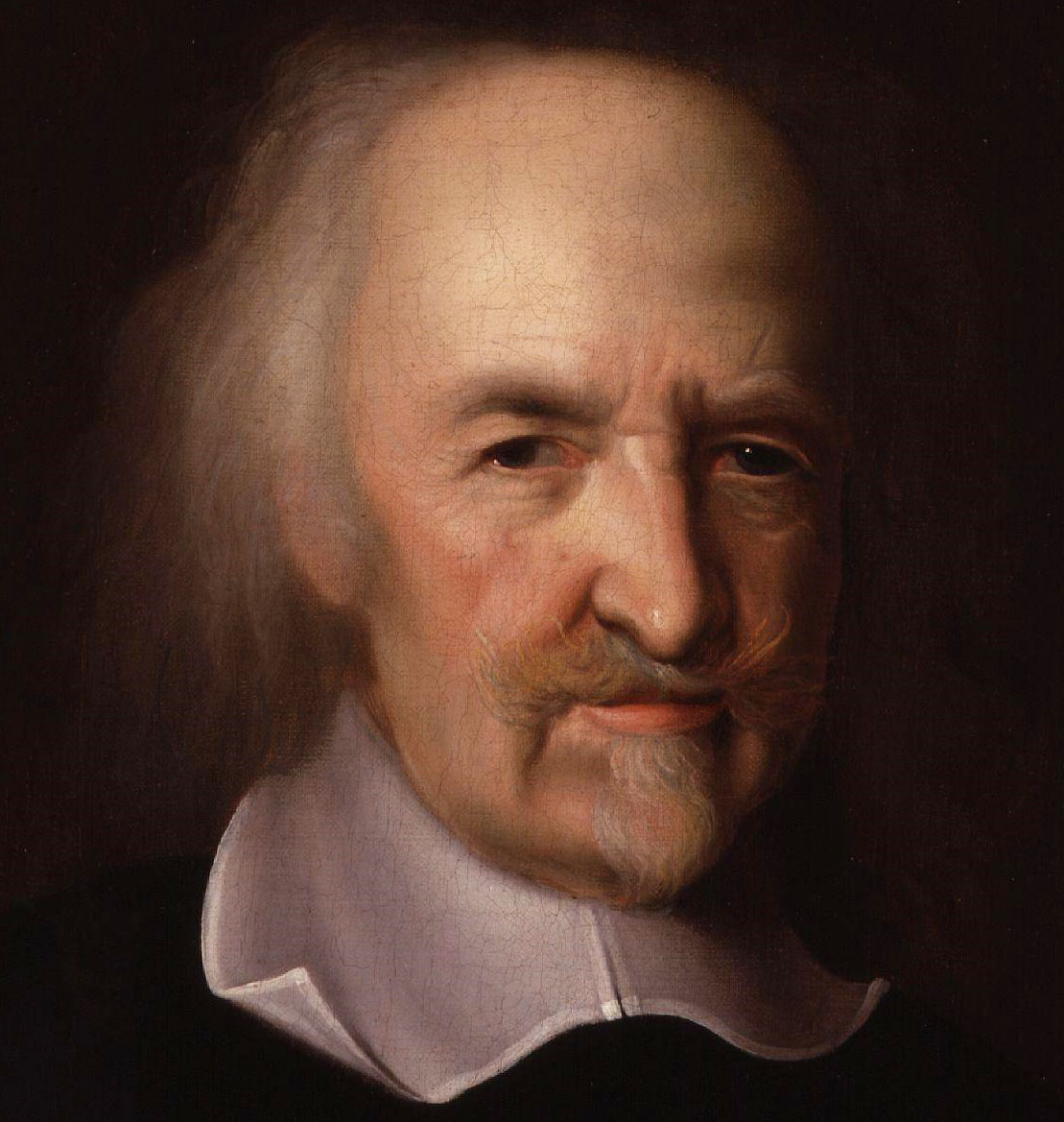


Overall since the start of this unit I had learned about 7 new enlightenment thinkers which were John Locke, Thomas Hobbes, Jean-Jacques Rousseau, Baron de Montesquieu, Voltaire, Denis Diderot, Mary Wollstonecraft. I had learned about each thinkers’ main idea. I had learned that all of the thinkers have many difference perspective or they have many different ideas, they had a different believes too. I have learned that Mary Wollstonecraft was the only woman in this chart and she mostly talked about the equal for rights for women. I had also learned many different things about Thomas Hobbes, I had learned that Thomas Hobbes was from England and he was the one who believe that people were bad, evil, and selfish. He also believed that people should be governed under a strict government too. Thomas Hobbs was the first enlightenment thinker that I had learned about. The next enlightenment thinkers that I had learned about was John Locke. I had learned John Locke mostly laid more of the groundwork for the enlightenment and he had also made central contribution to the development of liberalism too. After I had learned about John Locke, I had continued learning about Jean Jacques Rousseau. I had learned that he believed that people on earth are born weak and he believed that we need strenth. He also believed that children' eeducation should be focus on his or her interesta nd women need to learn more than simply domestic chores too. I had also learned that Baron de Montesquiu was mostly put his ideas on the seperation of powers which had also became the basis for the United States Constitution too. I had learned one more new thing about him which was that Baron de Montesquiu had written a book called, "The Spirit of laws" too. I had also learned about Voltaire and Denis Diderot too. I had just learned about them in about 1-5 days ago....I had learned Voltaire main idea is that he didn't believe in any religion but he mostly believed and interested in the natural laws that were underlying in all religions more. I had also learned that both Voltaire and Denis Diderot was bron in France and Denis Diderot is a believer in materialism which I just know about it. One important thing that I had learned from all of this 7 enlightenment thinkers were that all of these people had meet or sometimes had read each other work before too.
Below here is the chart if 7 enlightenment thinkerse which I had put the information in here by myself.
The Enlightenment Thinkers Chart
NAME
|
COUNTRY/DoB
|
BOOKS / WORKS
|
MAJOR IDEAS/IMPORTANT QUOTE
|
Thomas Hobbes
 |
England/ 5 April 1588
|
Leviathan
|
He thought that people were bad, evil and selfish. They needed to be governed under a strict government. If they weren’t under control of the government, they would fight and rob each other.This type of government is called absolute monarchy.
Interesting Quote: “•“I put for a general inclination of all mankind, a perpetual and restless desire of power after power, that ceaseth only in death.”
|
 John Locke John Locke |
England/ 29th August 1632
|
“Two Treatises of Government”
“An Essay Concerning Human Understanding”
|
He laid much of the groundwork for the Enlightenment and also made central contribution to the development of liberalism too. He believe in the separation of government and etc.
Interesting Quote: “All mankind... being all equal and independent, no one ought to harm another in his life, health, liberty or possessions.”
|
Jean-Jacques Rousseau
 |
Republic of Geneva/ 28 June 1712
|
“Confession”
|
He had believed in many different things such as he believed that we are born weak, we need strength; helpless we need aid;foolish we need reason. Also he believed that a child’s education should be focus on his or her interests and women need to learn more than simply domestic chores.
Interesting Quote: “Force does not constitute right... obedience is due only to legitimate powers.”
|
Baron de Montesquieu
 |
France / January 18, 1689
|
“The Spirit of laws”
|
Mostly his ideas are about the separation of powers which became the basis for the United States Constitution.
Interesting Quote: “The tyranny of a prince in an oligarchy is not so dangerous to the public welfare as the apathy of a citizen in a democracy.”
|
Voltaire
 |
France/ November 21, 1694
|
“Letters on England”
|
Mostly his ideas is that he didn’t believe in any single religion but then instead, he interested in the natural laws that were underlying in all religions.
Interesting Quote: “Those who can make you believe absurdities can make you commit atrocities.”
|
Denis Diderot
 |
France/ October 5, 1713
|
“Rameau’s Nephew”
|
Denis Diderot is a believer in materialism.Denis Diderot was a deep skeptic and a humanist, who warned against the assumption that knowledge and technology were automatically progressive.
Interesting Quote: “Disturbances in society are never more fearful than when those who are stirring up the trouble can use the pretext of religion to mask their true designs.”
|
Mary Wollstonecraft
 |
England/ April 27, 1759
|
“Letters from Scandinavia”
|
Mostly the main ideas is about the equal rights for rights for womens.
Interesting Quote: “Taught from infancy that beauty is woman's sceptre, the mind shapes itself to the body, and roaming round its gilt cage, only seeks to adorn its prison.”
|
Adam Smith
 |
Scotland/ June 16, 1723
|
“The Wealth of Nations”
|
Interesting Quote: “The propensity to truck, barter and exchange one thing for another is common to all men, and to be found in no other race of animals.”
|